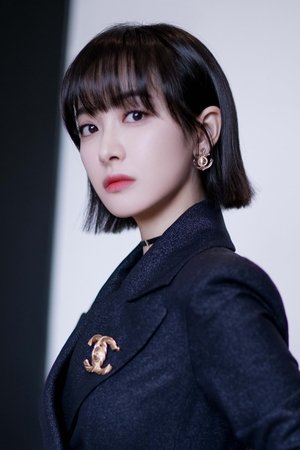
Victoria Song Qian (宋茜)
⚡ One-Click Stalking (Explore in Chinese)
Biography
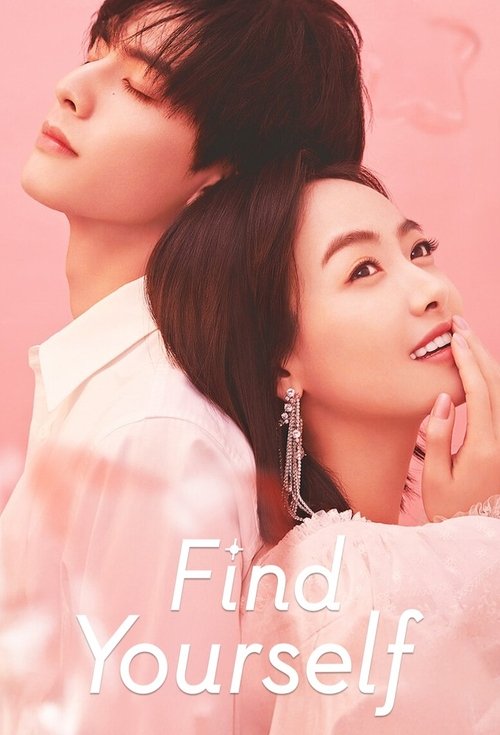
Victoria Song Qian is one of the most prominent examples of a K-pop idol who successfully transitioned into a mainstream Chinese actress. She first rose to fame as the leader of the legendary K-pop girl group f(x), which debuted in 2009 under SM Entertainment. After returning to China and establishing her own studio in 2015, she gradually cemented her place in the industry with a string of hit dramas, most notably the 2020 romance Find Yourself (下一站是幸福), which earned her a nomination for the Golden Eagle Award for Audience‘s Favorite Actress and the title of “Golden Eagle Goddess” at the 13th China Golden Eagle TV Art Festival. She has also secured major fashion endorsements, including becoming a global brand ambassador for Daphne and a brand ambassador for Louis Vuitton. Known for her versatility across music, television, and variety shows, Song has built a career defined by resilience — transforming early skepticism about her acting into a steady stream of leading roles and industry recognition.
Breakthrough Role Song‘s breakout acting role came in 2020 with the urban romance drama Find Yourself (下一站是幸福), where she played He Fanxing, a 32-year-old “senior maiden” navigating a complicated romance with a younger man. The character — a career woman torn between societal expectations and her own desires — struck a chord with audiences and sparked widespread discussion about modern relationships and female autonomy. Song’s portrayal was praised for bringing warmth and relatability to an imperfect, deeply human character, and the series achieved the top viewership rating among provincial satellite channels. The role marked a turning point in her acting career, earning her a Golden Eagle Award nomination and elevating her from a frequently criticized idol-actress to a recognized leading lady in Chinese television.
Public Perception Song‘s public image is marked by stark contradictions. On one hand, she commands a massive fan base and significant industry resources: she has won the National Drama Awards for Most Popular Actress (2016) and Most Improved Actress (2019), and was named the 2025 Weibo Movie Night’s Outstanding Actress. She also enjoys strong international recognition, ranking second in a 2025 Korean viewers‘ poll for Chinese actresses. Her fashion credentials are equally impressive, with multiple luxury brand partnerships. Yet she also faces persistent criticism. Detractors argue that she “has no status” as an actress and “no works, no popular characters,” with some suggesting that her career has been sustained more by her powerful agent than by acting merit. Her performances are frequently scrutinized: while some praise her emotional depth and action sequences, others accuse her of “eye-widening” acting, stiff expressions, and relying on exaggerated facial movements in emotionally intense scenes. Recent dramas like The Promise of Love (山河枕) have drawn mixed reactions, with some viewers praising her portrayal of a female general and others calling it “disfiguring acting”. The result is a complex public perception: Song is simultaneously a beloved star with undeniable mainstream appeal and a polarizing figure whose acting ability remains hotly debated. As one observer put it, she exists in a space between “actor doesn‘t break out, idol breaks out” — a performer whose celebrity status and professional credibility are still being negotiated, even after more than a decade in the industry.