Zhang Jiayi (张嘉译)
* Sponsored link requests are processed in batches. Please allow up to a week for updates.
Biography
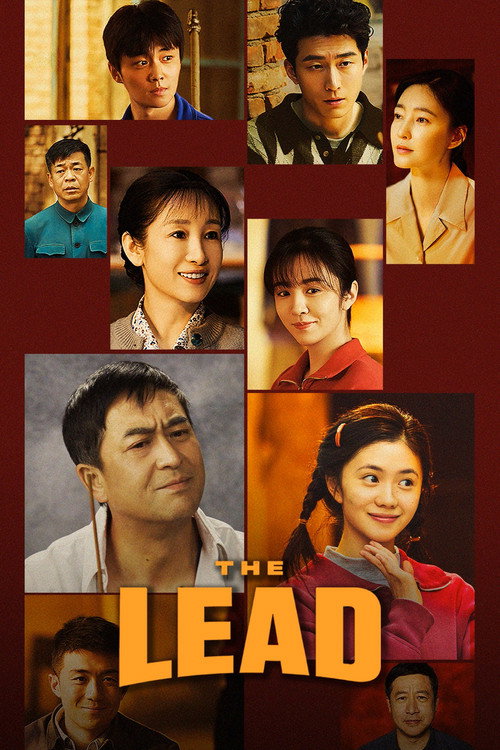
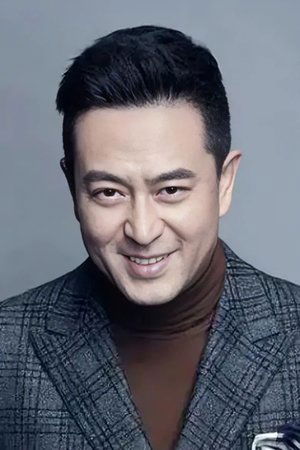
Zhang Jiayi is one of Chinese television's ultimate late bloomers — a former high school wrestler who spent nearly two decades playing minor roles, shot over 1,000 episodes of television before turning 39, and then exploded into national stardom overnight. What made him famous wasn't a single flash of luck, but a unique combination of qualities: a rugged yet nuanced face, a naturally croaky voice that feels lived‑in and authentic, and an iconic, swaggering walk — slow, shoulders rolling, back never quite straight. Behind that trademark gait lies a painful reality: Zhang has suffered from ankylosing spondylitis since his mid‑twenties, an incurable autoimmune disease. What looks like casual swagger is actually the result of a lifelong battle to keep his back from locking up entirely — a physical struggle that has become inseparable from the weathered, vulnerable masculinity he brings to every role. Breakthrough Role For the first 39 years of his career, Zhang played cops, farmers, and small‑town officials — always solid, never memorable. Then came Song Siming, the charming, corrupt municipal secretary in the 2009 hit series Dwelling Narrowness — and everything changed. Zhang turned what could have been a one‑dimensional villain into one of the most complex and unforgettable male characters in modern Chinese television: a powerful middle‑aged man caught between his official duties and a passionate affair with a young college graduate, simultaneously worshipped and condemned by audiences. The show became a nationwide phenomenon, and Zhang Jiayi became a household name almost literally overnight — though as he famously put it, "that night took a long time to arrive." The role unlocked the next decade of his career: the secretive spy in The Brink, the principled doctor in The Heart of a Healer, the village patriarch Bai Jiaxuan in White Deer Plain, the poverty alleviation official in Minning Town, and a loving father in Growing Pain. In 2026, he reached yet another career peak with The Lead, a prestigious drama series produced by Zhang Yimou, in which Zhang served as both lead actor and artistic director. Public Perception Today, Zhang Jiayi occupies a rare and cherished place in the Chinese entertainment industry. With a Grand Slam of television awards — the Feitian, Magnolia, Huading, and Golden Eagle Awards — he has become the undisputed benchmark for acting excellence in his generation, the kind of performer whose presence alone guarantees that a drama is worth watching. His recent portrayal of Hu Sanyuan, a short‑tempered "drum king" of Northwest China's traditional opera, in The Lead moved a critic to sum him up in nine words: "A bowl of noodles, a pair of drumsticks — the soul of a play has a backbone." The affectionate title "Nation's Uncle" now follows him wherever he goes. But Zhang's public image is also deeply entwined with visible vulnerability. As his ankylosing spondylitis has worsened, his signature walk has grown increasingly hunched — and audiences have grown increasingly protective. Yet he has quietly continued to work, appearing on family variety shows as a gentle, devoted father and refusing to use his illness for emotional leverage. Off‑screen, Zhang is known for his humble, understated personal life: he stays married to his second wife, actress Wang Haiyan, lives in his hometown of Xi'an rather than the celebrity enclaves of Beijing or Shanghai, and has purposely avoided turning his own drama into public entertainment. For audiences, he embodies a rare and almost old‑fashioned kind of stardom — earned not through hype, but through decades of steady, uncompromising work, and through a quiet dignity that only becomes more admirable the more we know about the physical cost behind it.