Dylan Wang (王鹤棣)
⚡ One-Click Stalking (Explore in Chinese)
Biography
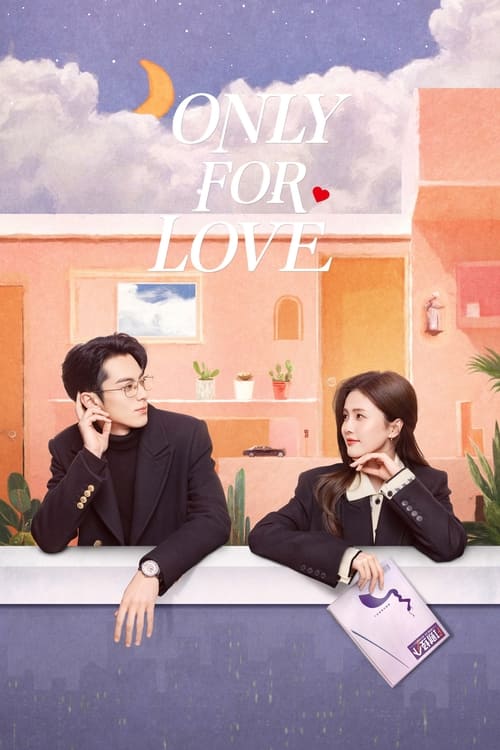
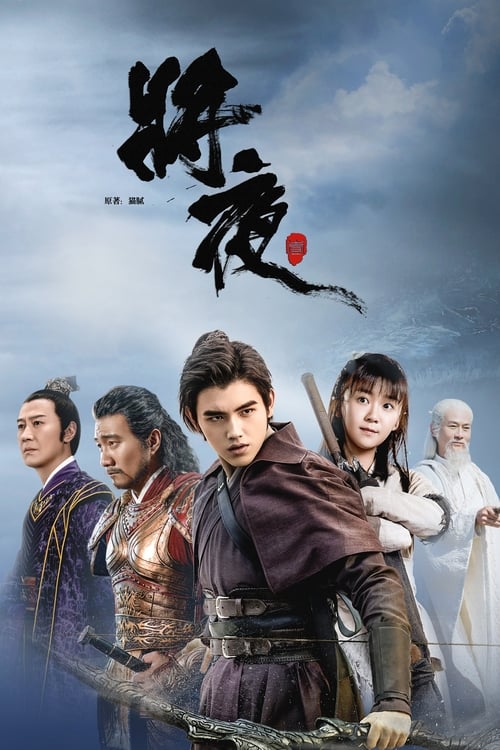
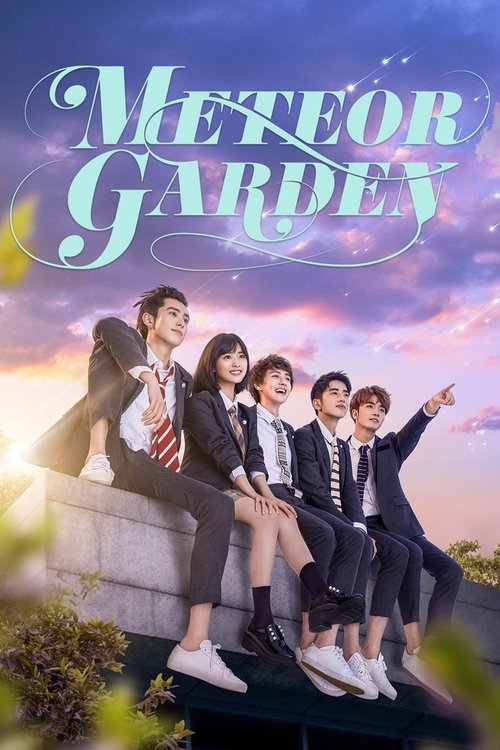
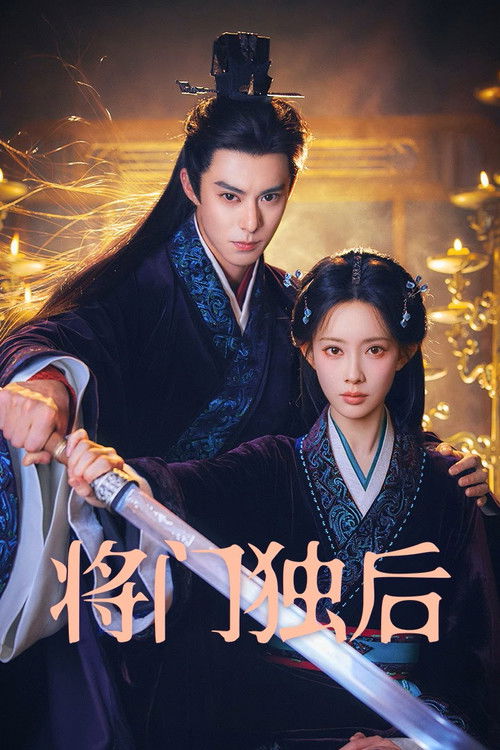
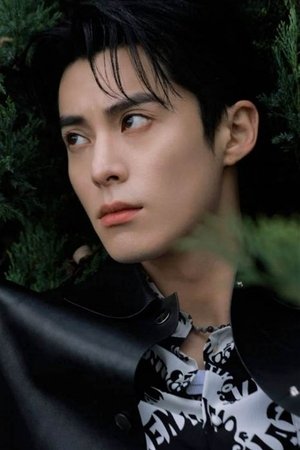
Dylan Wang Hedi is a Chinese actor born in Leshan , Sichuan. He is best known for his roles as Daoming Si in "Meteor Garden" (2018) and Dongfang Qingcang in "Love Between Fairy and Devil" (2022). Initially, Wang studied to become a flight attendant and graduated from Sichuan Southwest College of Civil Aviation. His career in entertainment began when he won the Youku talent competition "Super Idol" in 2017, leading to his acting debut in "Meteor Garden", a remake of the 2001 Taiwanese drama. As a newcomer, Wang participated in various variety shows, including season 2 of "The Inn" and season 3 of "Chinese Restaurant". In 2019, he was cast in Season 2 of "Ever Night". His subsequent drama series "The Rational Life" and "Meet the Dragon" were also aired during the Covid-19 pandemic years in 2021. In 2022, he became a regular cast member on the variety show "Hello, Saturday" and the celebrity reality series "Wonderland." His breakout role as a Demon Lord in the 2022 series "Love Between Fairy and Devil" brought him widespread fame in Mainland China. Wang continued to build his acting portfolio with leading roles in "Unchained Love" and "Only for Love". Apart from acting, Wang has also pursued a career in music. In 2019, he released his first single, "Don't Even Have to Think About It." He has also released several digital singles with other musicians such as "Chongqing Dexing" (with GAI, Bridge, Zhang Yanqi) and "Seewe Tango" (with WatchMe and Pu Sha). Dylan Wang He-di skyrocketed to fame as the rare “overnight sensation“ who actually earned his place through raw talent and undeniable screen presence. Discovered through a reality show championship in 2017, he first made waves as the iconic Dao Ming Si in the 2018 remake of Meteor Garden. But it was his 2022 turn as the dark lord Dongfang Qingcang in the fantasy epic Love Between Fairy and Devil that transformed him into a bona fide phenomenon. With his chiseled features, commanding aura, and an ability to convey emotional depth through subtle gestures, Wang became the embodiment of the ”cool, arrogant yet secretly vulnerable“ male lead — a performance so magnetic that it not only shattered viewership records but also earned him a spot in the prestigious 2022 Young Actors Program. In an industry saturated with pretty faces, Wang stands out as an actor who can actually embody the larger-than-life characters he portrays.
Breakthrough Role Wang‘s career-defining moment arrived with Love Between Fairy and Devil (2022), where he played Dongfang Qingcang, the supreme ruler of the Moon Tribe — a being of immense power who had been stripped of his emotions and sealed away for millennia. What could have been a one-note villain became a masterclass in layered performance: Wang portrayed the character’s journey from cold, tyrannical overlord to a being rediscovering love and vulnerability, all while maintaining an effortless regal bearing that fans dubbed ”the BKing“. His portrayal of the character‘s loneliness, his subtle shifts between arrogance and tenderness, and his physical commitment to the role — from precise hand gestures to commanding battle sequences — earned universal acclaim. The role not only catapulted him to the top tier of Chinese actors but also redefined what a fantasy male lead could be, making Dongfang Qingcang one of the most iconic characters in recent C-drama history.
Public Perception Wang He-di currently occupies a precarious position in the Chinese entertainment industry: a top-tier star whose talent is undisputed, yet whose public image has become increasingly polarizing. On one hand, he has amassed a fiercely loyal fanbase, a string of major awards including the Weibo Night’s Most Anticipated Actor and Tencent Video‘s VIP Star of the Year, and a portfolio of high-profile projects spanning film, television, and music. On the other hand, his journey has been marred by a series of controversies that have significantly eroded his once-solid public goodwill. From backlash over the lyrical content of his song ”Dongfang Qingcang“, to criticism over the pricing of his personal brand ventures, to the highly publicized ”uncomfortable“ incident on the variety show Dear Hotel 2026 — where he publicly expressed discomfort over a joke award, triggering a wave of negative press and a reported loss of over 200,000 followers — Wang has become a figure of intense debate. Some view him as a victim of cancel culture and unfair scrutiny, while others see his reactions as evidence of arrogance and a disconnect from public sentiment. What remains undeniable is his star power: his public appearances still draw massive crowds, and his projects continue to generate significant attention. Yet the question lingering over his career is whether he can rebuild the broad-based audience appeal that once made him one of the most beloved young actors of his generation.